Nvidia to invest $3B in Meta as AI agent chip plans expand
Meta plans to use more Nvidia infrastructure for future AI agents while seeking up to $95 billion for its AI buildout, according to reports.
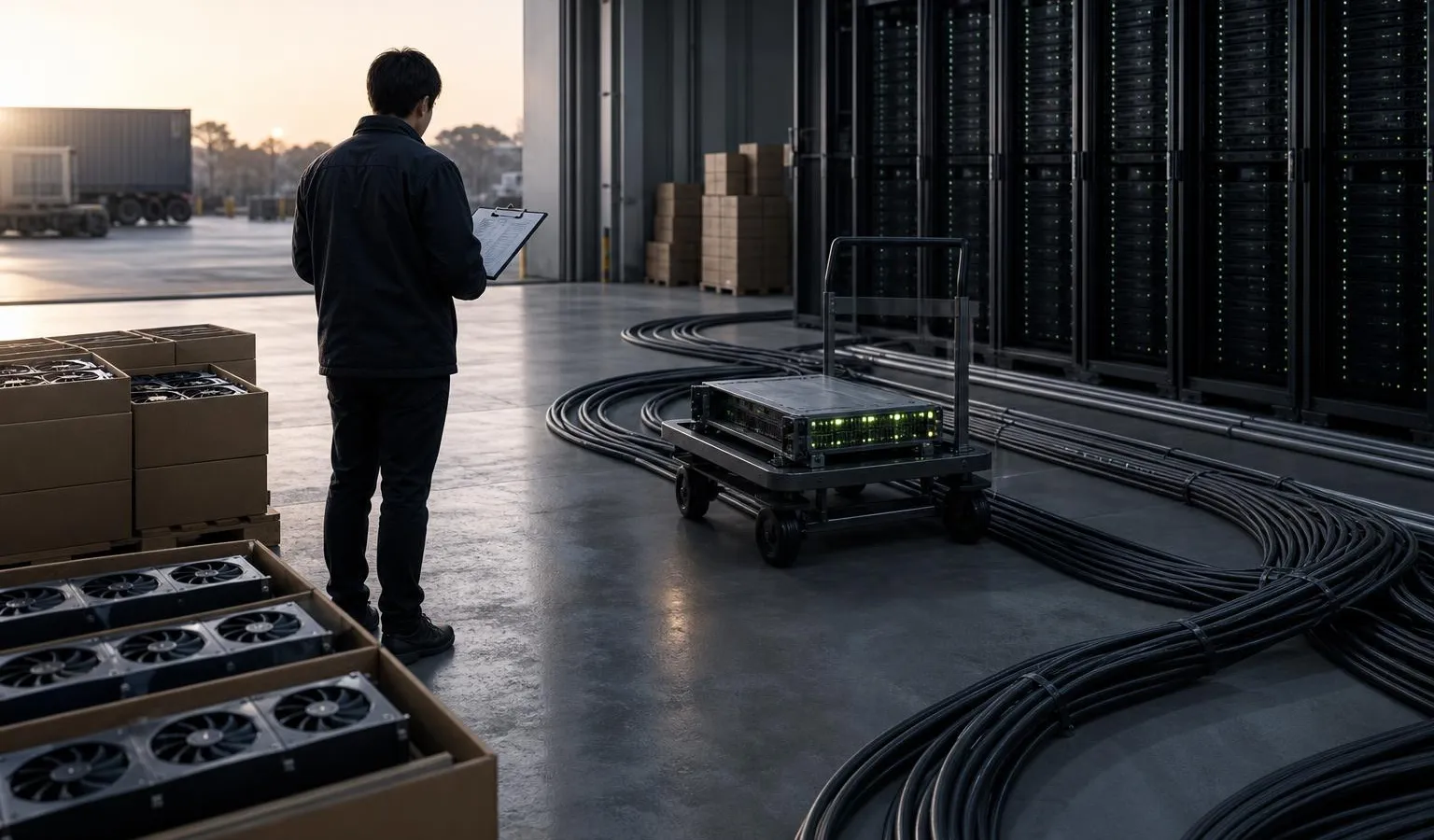
Nvidia is putting $3 billion into Meta’s planned equity offering, according to The Decoder, citing the Wall Street Journal. The move matters because Meta says it plans to run more of its next-generation AI agents on Nvidia infrastructure, tying future agent capacity more closely to high-end chip supply.
The investment comes as Meta looks to raise up to $95 billion through stock offerings to fund its AI infrastructure buildout. For creators, marketers and small businesses watching AI assistants become more embedded in everyday workflows, the story is less about one financing deal and more about the cost and capacity behind the tools they may soon depend on.
What Nvidia and Meta are expanding
According to The Decoder, Nvidia is investing $3 billion in Meta’s planned equity offering. In the same announcement, the two companies said they would broaden their partnership around Meta’s AI product Muse.
Meta plans to use more Nvidia infrastructure for its next generation of AI agents, including Vera Rubin systems and Vera CPUs, according to the report. The source does not give rollout timing, pricing, or product availability details for those agents.
The chip relationship is important because agentic AI products can require substantial compute when they move from simple chat responses to longer-running tasks. Meta’s plan, as described in the report, suggests the company is preparing infrastructure for more demanding AI systems rather than treating agents as a lightweight add-on.
For background on the broader financing plan, Emonarc previously covered Meta’s proposed stock sales in Meta plans up to $95B in stock sales for AI infrastructure. The latest Nvidia investment is one piece of that larger funding picture.
Why the financing is drawing scrutiny
The Decoder notes that the deal fits a pattern that investors have been debating for months: Nvidia provides money to major AI customers, and those customers then build data centers using Nvidia chips.
The report points to OpenAI as another example of the pattern. Critics describe this as circular financing and warn that it can make it harder to judge how much demand is coming from independent customer spending versus chipmaker-backed expansion.
That concern matters beyond Wall Street. If AI services are increasingly built on financing loops between model companies and hardware suppliers, customers may have less visibility into the true economics of the tools they use. The cost of compute still has to be paid somewhere, whether through subscriptions, enterprise contracts, usage limits, advertising models, or future capital raises.
The source does not say that Meta’s current products will become cheaper or more expensive because of the Nvidia deal. The practical takeaway is narrower: Meta appears to be securing more infrastructure for AI agents, while critics remain focused on whether the market is accurately measuring real demand.
AMD and Broadcom may also participate
Nvidia is not the only chip company linked to Meta’s planned offering. According to CNBC, AMD and Broadcom have also signaled nonbinding interest in buying up to $5 billion in Meta shares combined, The Decoder reports.
Because that interest is described as nonbinding, it should not be treated as a completed investment. Still, it shows that Meta’s AI infrastructure plans are attracting attention from multiple semiconductor companies, not just Nvidia.
For smaller AI users, the supplier mix is worth watching. The companies building large-scale assistants and agents are trying to secure access to the hardware needed to train and run them. When demand for infrastructure rises, product teams may face tradeoffs around performance, access, and operating cost.
What this means for teams using AI agents
Meta’s plans are mainly an infrastructure story today, not a product launch with details for end users. But the direction is clear from the report: Meta expects future AI agents to need more Nvidia-backed capacity.
For businesses evaluating AI tools, a few practical questions follow:
- Will the AI agent you rely on have stable capacity during busy periods?
- Are usage limits, task limits, or premium tiers likely to change as compute demand grows?
- Does the vendor depend heavily on one hardware supplier or cloud setup?
- Is the tool essential enough that you need a backup workflow?
None of those questions are answered directly by the Meta-Nvidia announcement. But they are the right questions to ask as the industry shifts from chatbots toward agents that perform longer, more complex work.
For now, the reported deal gives Meta more financial and hardware alignment with Nvidia. It also adds fresh evidence to the debate over whether the AI infrastructure boom is being driven by durable customer demand, strategic chipmaker financing, or both.
Frequently asked questions
How much is Nvidia investing in Meta?
According to The Decoder, citing the Wall Street Journal, Nvidia is investing $3 billion in Meta’s planned equity offering.
What does Meta plan to use more Nvidia infrastructure for?
Meta plans to use more Nvidia infrastructure for its next generation of AI agents, including Vera Rubin systems and Vera CPUs, according to the report.
How much does Meta want to raise for AI infrastructure?
Meta wants to raise up to $95 billion through stock offerings to fund its AI infrastructure buildout, according to The Decoder.