Google Agent Compute Engine gives Gemini agents isolated microVMs
Google says Agent Compute Engine runs each AI agent in its own Titanium-secured microVM, with enterprise controls for identity, routing and tracking.
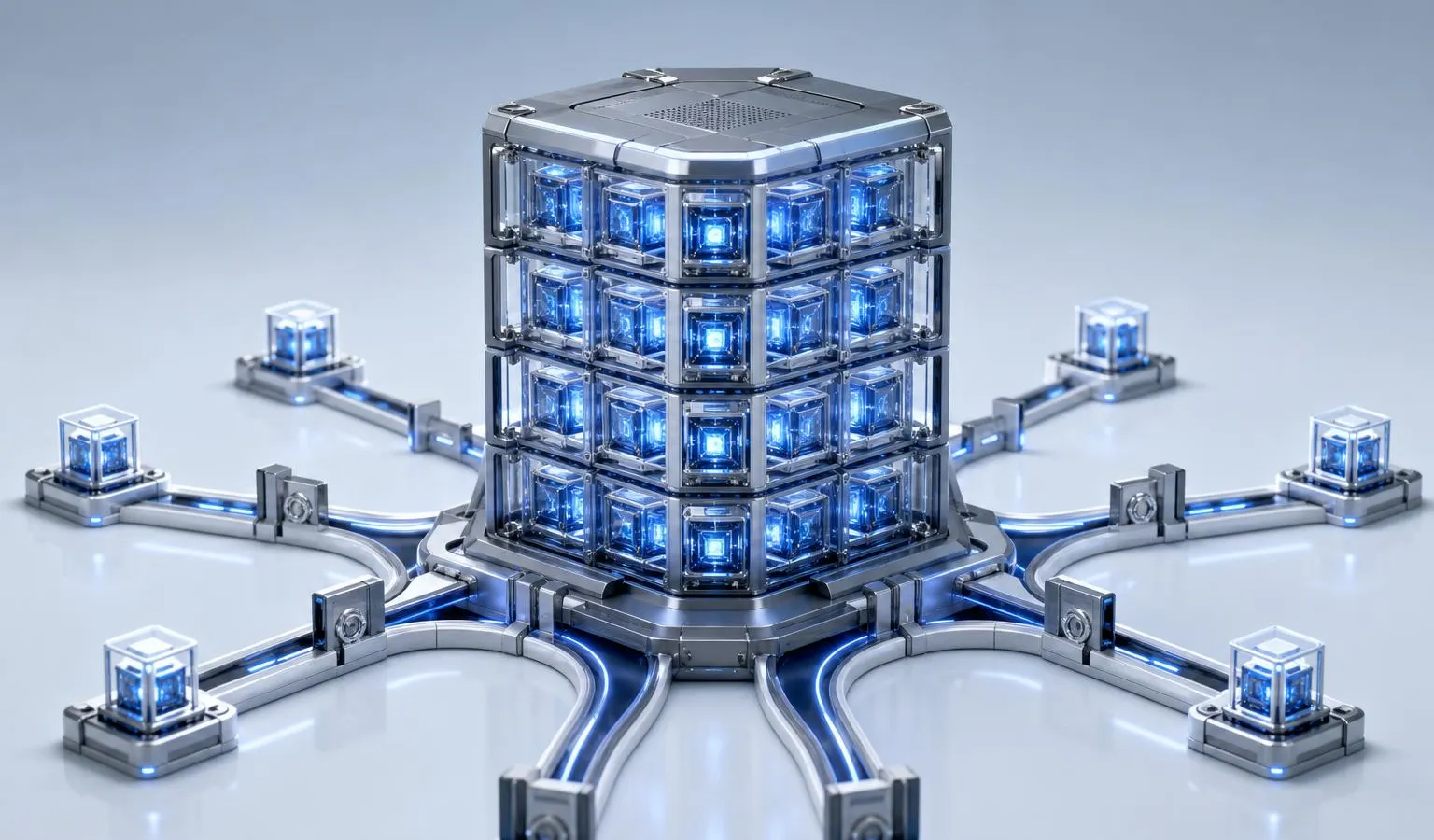
Google has announced Agent Compute Engine, a new service designed to run AI agents in hardware-isolated micro virtual machines. According to Google, the system already supports Gemini and is intended to make agent deployments more efficient and easier to govern.
For businesses experimenting with AI agents, the announcement matters because infrastructure is becoming part of the product decision. It is no longer just about which model answers best; it is also about how agents are isolated, paused, monitored and connected to enterprise identity systems.
A separate microVM for every agent
Agent Compute Engine gives each AI agent its own isolated virtual machine, according to Google. The company says those microVMs are secured by its Titanium chip, adding a hardware-backed separation layer between agents.
The service is already used to power Google Gemini, and Google plans to open it for preview in the coming months. For teams following Google’s broader enterprise agent push, this sits alongside recent Gemini work across business apps, including Google’s enterprise Gemini agent for work across apps.
The operating model is built around pausing agents when they are not active. Google says that when an agent is idle, its virtual machine automatically pauses and makes room for other workloads. Shared memory between virtual machines is also used to reduce the cost of running each agent.
That cost focus is important. Agentic systems can require many separate runtimes, especially when they are expected to wait, resume, call tools and maintain state. Google is positioning Agent Compute Engine as a way to support that pattern without assigning a full, always-on environment to every agent.
Agent Substrate brings the runtime to Kubernetes
Google also tied the announcement to Agent Substrate, an open-sourced Kubernetes runtime. The company says this runtime can fit ten times as many agents on a single server.
In a test involving 200,000 agents, Google says suspend and resume operations took under 500 milliseconds. Those numbers come from Google, and the source material does not include independent benchmarks or pricing details.
The architecture points to a practical challenge that many agent projects face: agents often spend a lot of time waiting. They may be waiting for a user, an external tool, an approval step or another process. If every waiting agent keeps using dedicated compute, costs can rise quickly. A runtime that can suspend and restore agents efficiently is meant to address that bottleneck.
For small businesses and freelancers, the direct impact may not be immediate unless they build on Google Cloud or use Gemini-based agents through workplace software. But the underlying issue is familiar: useful agents need to run reliably in the background without becoming expensive, hard to monitor or risky to connect to real business systems.
Governance controls target enterprise blockers
Google is also adding controls aimed at oversight and administration. According to the company, these include token tracking, model routing and support for third-party identity providers such as Ping Identity and SailPoint.
The controls will extend to Cloud Run, Google Kubernetes Engine and managed endpoints. That matters because many organizations will not deploy autonomous or semi-autonomous agents without ways to see usage, manage access and decide which model handles which task.
The main pieces Google highlighted are:
- Token tracking for monitoring agent usage
- Model routing for directing work to different models
- Support for third-party identity providers, including Ping Identity and SailPoint
- Extension of these controls to Cloud Run, GKE and managed endpoints
This governance layer is as important as the compute story. Isolation helps reduce the risk of agents interfering with one another. Identity support helps connect agents to existing access policies. Token tracking and model routing help administrators understand and shape how agent workloads run.
That makes Agent Compute Engine relevant to the same set of enterprise concerns seen in other agent infrastructure developments, such as password-safe agent access in 1Password’s agent login work and platform controls for AI shopping or workplace agents.
What to watch before teams build on it
Google has not provided pricing in the source material, and the preview is still described as coming in the next few months. That leaves key buyer questions unanswered: how the service will be packaged, which users can access it first and how the economics compare with existing deployment patterns.
Still, the direction is clear. Google is treating AI agents as long-running software processes that need their own runtime, isolation model and administrative controls, not just as chat sessions attached to a model.
For teams already evaluating Gemini agents, Agent Compute Engine could become an important part of the deployment discussion. The questions to ask are practical: how much isolation is required, how identity policies will carry over, whether token tracking is detailed enough for internal reporting and how suspend-and-resume behavior affects real workflows.
The broader agent market is moving toward infrastructure decisions that used to sit behind the scenes. For creators, marketers and small business operators, that may show up indirectly through safer workplace agents, more controlled automations and tools that can stay active without demanding constant attention. For developers and IT teams, Google’s announcement is a sign that agent compute is becoming its own layer of the AI stack.
Frequently asked questions
What is Google Agent Compute Engine?
It is a Google service that gives each AI agent its own isolated virtual machine, according to the company.
Does Agent Compute Engine already power Gemini?
Yes. Google says the service already powers Gemini and will open for preview in the coming months.
What governance controls did Google mention?
Google mentioned token tracking, model routing and support for third-party identity providers such as Ping Identity and SailPoint.