Square launches an AI ordering kiosk that customers can talk to
Square’s new Kiosk adds conversational voice ordering to a large touchscreen, aimed at businesses already using its paid plans.
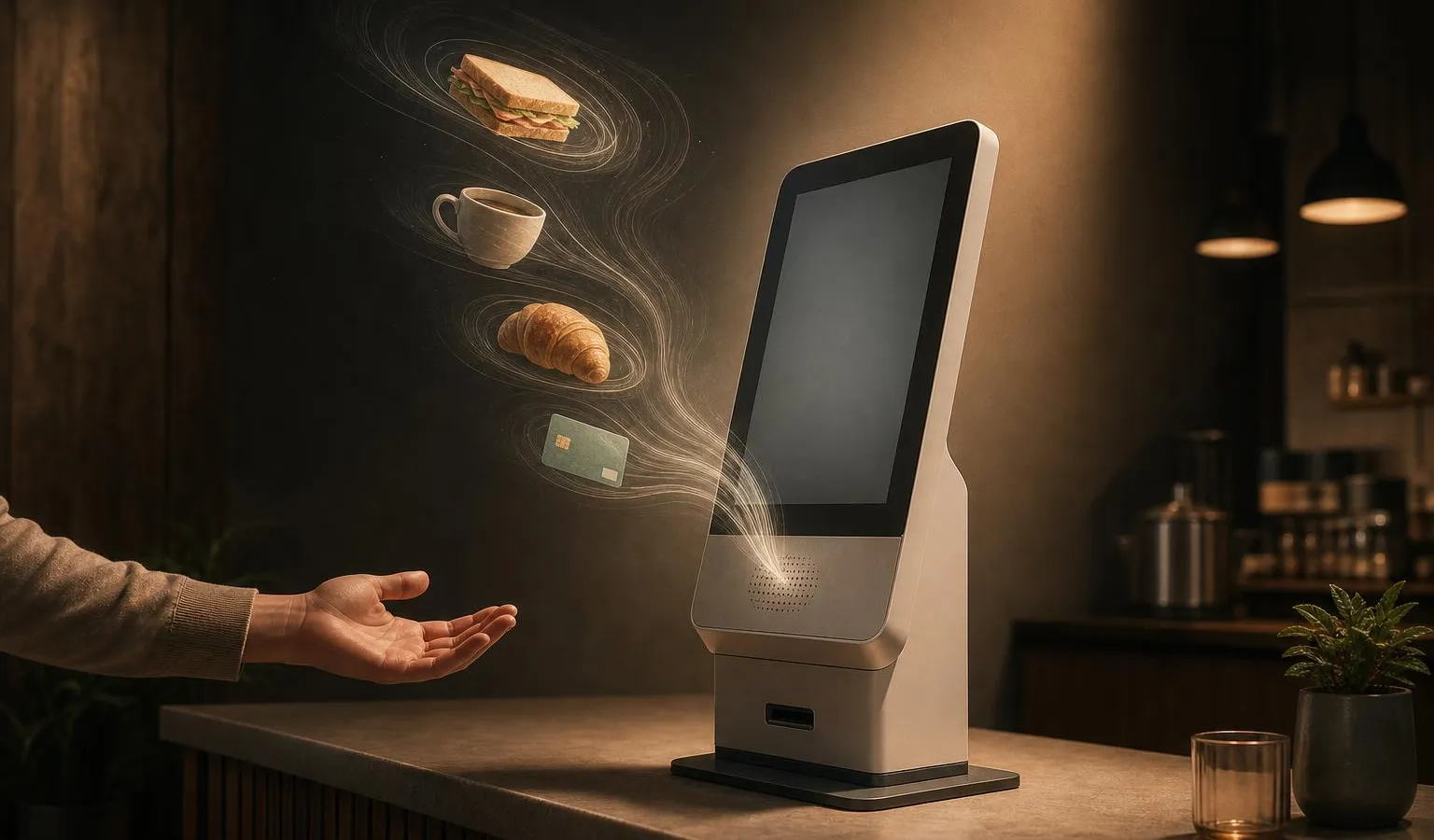
Square is rolling out new ordering hardware built around a large touchscreen and a conversational AI assistant, according to The Verge. The Square Kiosk matters because it brings agent-style voice interaction into a familiar small-business setting: the counter, where customers place orders, ask questions and pay.
For restaurants and other sellers already in Square’s ecosystem, this is not just another self-service screen. Square is positioning the device as a way for customers to talk through an order much as they would with staff, while still using a dedicated kiosk for checkout.
What Square is adding to the counter
The new Square Kiosk is a large, pill-shaped device with a 21.5-inch touchscreen, according to Square. The hardware is designed for ordering and payment, with both a contactless payment reader and a card slot available when a customer is ready to check out.
The headline feature is the AI voice layer. Square describes it as an “agentic, conversational voice layer” that understands a seller’s menu and can listen and respond in real time. In practical terms, the company says customers can speak naturally during an order instead of only tapping through a fixed menu.
Square says the AI agent can handle interactions such as:
- answering questions about the menu
- processing requested changes
- handling modifications and substitutions
- guiding an order through to payment
The kiosk can also greet a customer as they approach, using presence detection, according to Square. That small detail matters for adoption: self-service devices often need a prompt or clear entry point, and Square is trying to make the kiosk feel more interactive from the first moment.
Why conversational ordering is different from a standard kiosk
Traditional ordering kiosks are usually structured around buttons, categories and modifiers. That works well when a customer knows exactly what they want, but it can become slower when someone has questions or wants a change that is not obvious on the screen.
Square’s approach adds a voice interface on top of the touchscreen. The promise, according to the company, is that customers can place orders in the way they might talk to a person at the counter. For busy food service businesses, that could shift some routine order-taking to hardware while keeping a more flexible interaction than a basic menu screen.
There are limits to what is known from Square’s announcement as reported by The Verge. The source does not provide performance benchmarks, supported languages, setup requirements or details about how the AI handles mistakes. Businesses evaluating the device will want to see how it works with their own menus, substitutions and peak-hour customer flow.
Who should pay attention
The immediate audience is businesses already using Square Plus or Premium subscriptions, because The Verge reports the Square Kiosk is available to those customers. The device is priced at $1,999, with a $99-per-device monthly software fee, according to the report.
That makes this a capital and software decision, not simply an accessory purchase. Owners and operators will need to weigh the cost against potential operational benefits, such as reducing counter bottlenecks or letting staff focus on preparation and in-person service. The source does not state any promised labor savings, so buyers should avoid assuming a specific return on investment.
For marketers and customer-experience teams, the larger signal is that voice agents are moving from websites and chat windows into physical commerce. Emonarc readers tracking AI commerce may see a connection with broader agent-shopping developments, such as Shopify opening its catalog to more AI shopping agents and attempts to define guardrails for AI purchases, including Amex’s intent framework for AI shopping agents.
What to watch next
The most important question is how well Square’s AI handles real-world ordering complexity. Menus can be messy: items go out of stock, modifiers have exceptions, customers use informal phrasing, and substitutions can affect pricing or preparation. Square says the Kiosk understands a seller’s menu, but businesses will need to test that claim in their own environment.
Another issue is customer behavior. Some people may prefer a touchscreen. Others may like speaking if it saves time or helps them navigate choices. Because Square combines both voice and touch in the same device, the company is not forcing a single interaction style.
Availability begins now, according to The Verge, but the broader impact will depend on adoption among Square’s existing business customers. If the Kiosk works reliably in high-traffic settings, it could make conversational AI a normal part of ordering in small-business retail and food service environments.
Frequently asked questions
What is the Square Kiosk?
It is new Square hardware for ordering, with a large touchscreen and a conversational AI voice layer.
What can customers do with the AI on the Square Kiosk?
According to Square, customers can ask questions and request modifications or substitutions while placing an order.
How much does the Square Kiosk cost?
The Verge reports it costs $1,999 for businesses with a Square Plus or Premium subscription, plus a $99-per-device monthly software fee.