Nvidia's $500M Inception Bet Brings Diffusion Language Models Into the Open-Source Mainstream
Nvidia is nearing a $500M+ acquisition of Inception to add diffusion-based language models to its open-source Nemotron lineup, challenging transformer-based incumbents.
Nvidia is closing in on a deal to acquire Inception, a two-year-old startup that builds language models using diffusion, for at least $500 million. The move signals a notable shift for Nvidia's open-source Nemotron lineup, potentially giving developers access to a fundamentally different text-generation architecture alongside the transformer-based models that dominate today.
According to three people familiar with the talks who spoke with The Information, the deal also includes performance bonuses for Inception's more than 30 employees. The acquisition talks reportedly began before Nvidia CEO Jensen Huang's resignation and after Microsoft had expressed interest in the startup. Neither company initially commented on the matter.
What makes diffusion-based language models different
Most widely used language models today — including those powering ChatGPT and Claude — generate text token by token, predicting each successive word based on what came before. Inception takes a different approach, adapting the diffusion process familiar from image generation to language.
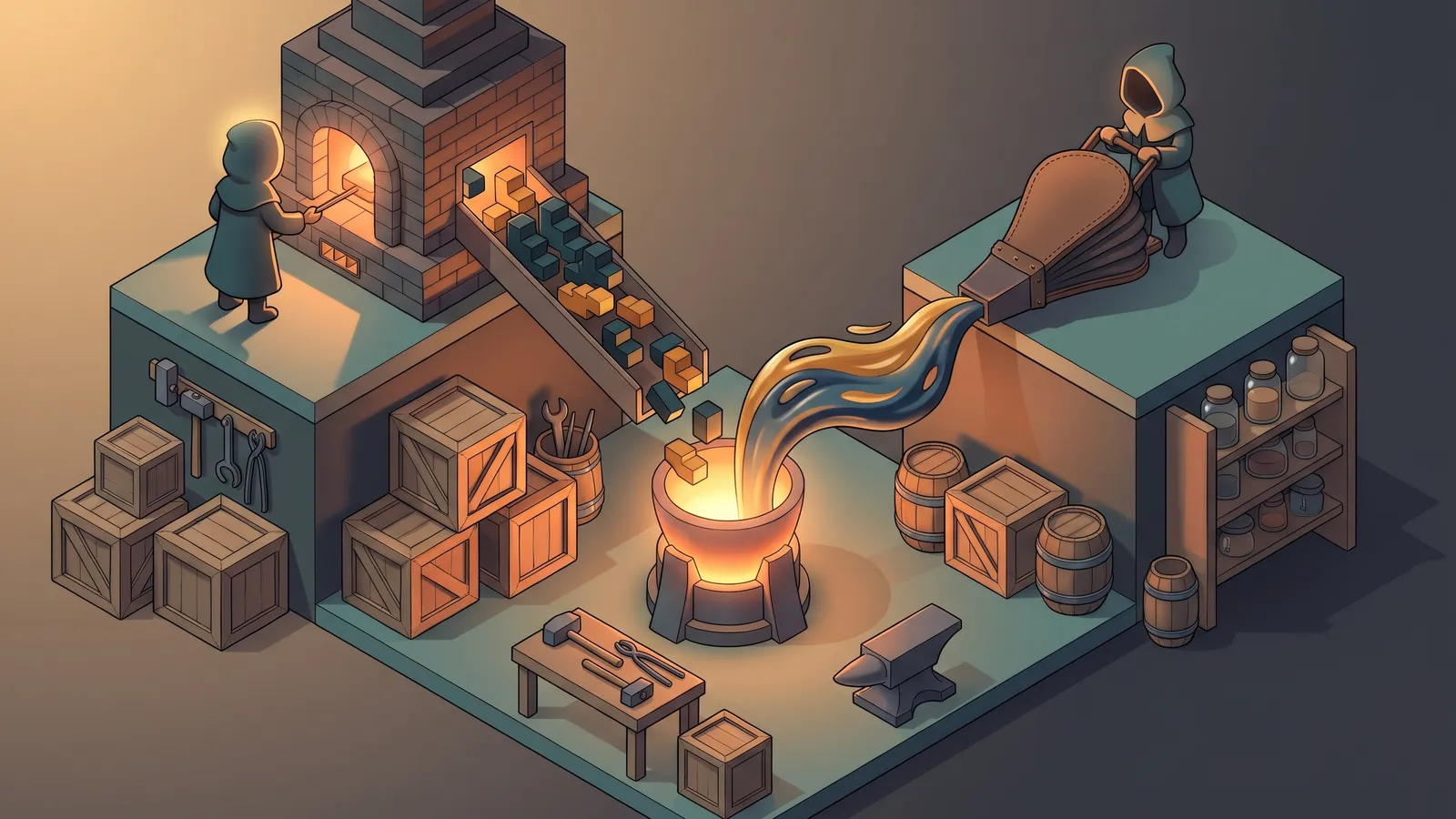
Rather than producing one word at a time, diffusion-based models start with a full response and refine it step by step, iteratively improving the output. The startup most recently released Mercury 3, its latest diffusion-based language model.
Why Nvidia wants Inception's technology
The acquisition is aimed at bolstering Nvidia's open-source Nemotron models, which already serve as an alternative to Chinese AI models for organizations including Palantir and U.S. government agencies. Nvidia also plans to apply Inception's diffusion technology to physical models for robotics.
The strategic timing matters. OpenAI and Anthropic are both building their own inference chips, which could reduce their dependence on Nvidia hardware over time. By strengthening its own model lineup with a differentiated architecture, Nvidia is positioning itself as more than a chip supplier — it becomes a model provider with unique intellectual property.
Inception's three co-founders — professors Stefano Ermon, Aditya Grover, and Volodymyr Kuleshov — are expected to join Nvidia full time as part of the deal.
What it means for developers and creators
For developers choosing AI tools, the acquisition could open a new path. If Nvidia integrates diffusion-based language models into its open-source Nemotron lineup, builders would gain access to an alternative to the transformer architecture without paying proprietary API fees.
This matters for several practical reasons:
- Open-source access: Nemotron models are already used by enterprises seeking non-Chinese alternatives, and adding diffusion capabilities expands that toolkit.
- Robotics applications: Nvidia's plan to apply diffusion to physical models for robots suggests the technology extends beyond text generation.
- Architecture diversity: Diffusion models offer different latency and refinement characteristics than token-by-token generation, which could suit certain workloads better.
For creators and small businesses, the impact is indirect but worth watching. If diffusion-based language models prove competitive on quality and cost, the tools built on top of them — whether for writing, coding, or automation — could offer new trade-offs in speed, pricing, and output style. Developers evaluating coding assistants like Cursor or GitHub Copilot may eventually see diffusion-based options enter the mix.
What to watch next
The deal has not yet closed, and neither Nvidia nor Inception has publicly confirmed the terms. Key questions remain about how quickly Nvidia can integrate Inception's diffusion technology into Nemotron, whether the models will remain open-source, and how the diffusion approach performs at scale compared to mature transformer-based systems.
The competitive landscape adds pressure. According to earlier coverage, Inception's Mercury 3 diffusion model reportedly claimed to beat GPT-6 Luna and Claude Haiku 5.5 at a fraction of the wait time — though independent validation of those claims remains limited. Meanwhile, Nvidia itself has faced significant disruption following the resignation of CEO Jensen Huang and a reported $1.4 trillion loss in market value tied to an espionage scandal.
For now, the acquisition underscores a broader trend: the companies that built their dominance on one AI architecture are actively hedging by investing in alternatives. Nvidia's bet on diffusion language models could quietly reshape which architectures developers reach for in the years ahead.
See our earlier reporting on Nvidia's push for Inception's diffusion models and the broader deal context.
Frequently asked questions
How much is Nvidia paying to acquire Inception?
According to sources who spoke with The Information, Nvidia is nearing a deal to acquire Inception for at least $500 million, with additional performance bonuses for the startup's more than 30 employees.
How do diffusion-based language models differ from conventional ones?
Conventional models like those behind ChatGPT and Claude generate text token by token. Inception's diffusion-based models instead start with a full response and refine it step by step, adapting the diffusion process known from image generation to language.
Who are Inception's co-founders and will they join Nvidia?
Inception was co-founded by professors Stefano Ermon, Aditya Grover, and Volodymyr Kuleshov. They are expected to join Nvidia full time as part of the acquisition.