Elvis and Eminem rights holders sue Suno over AI music clones
The new complaints add pressure on Suno as artists and publishers challenge AI-made songs that allegedly mimic famous performers.
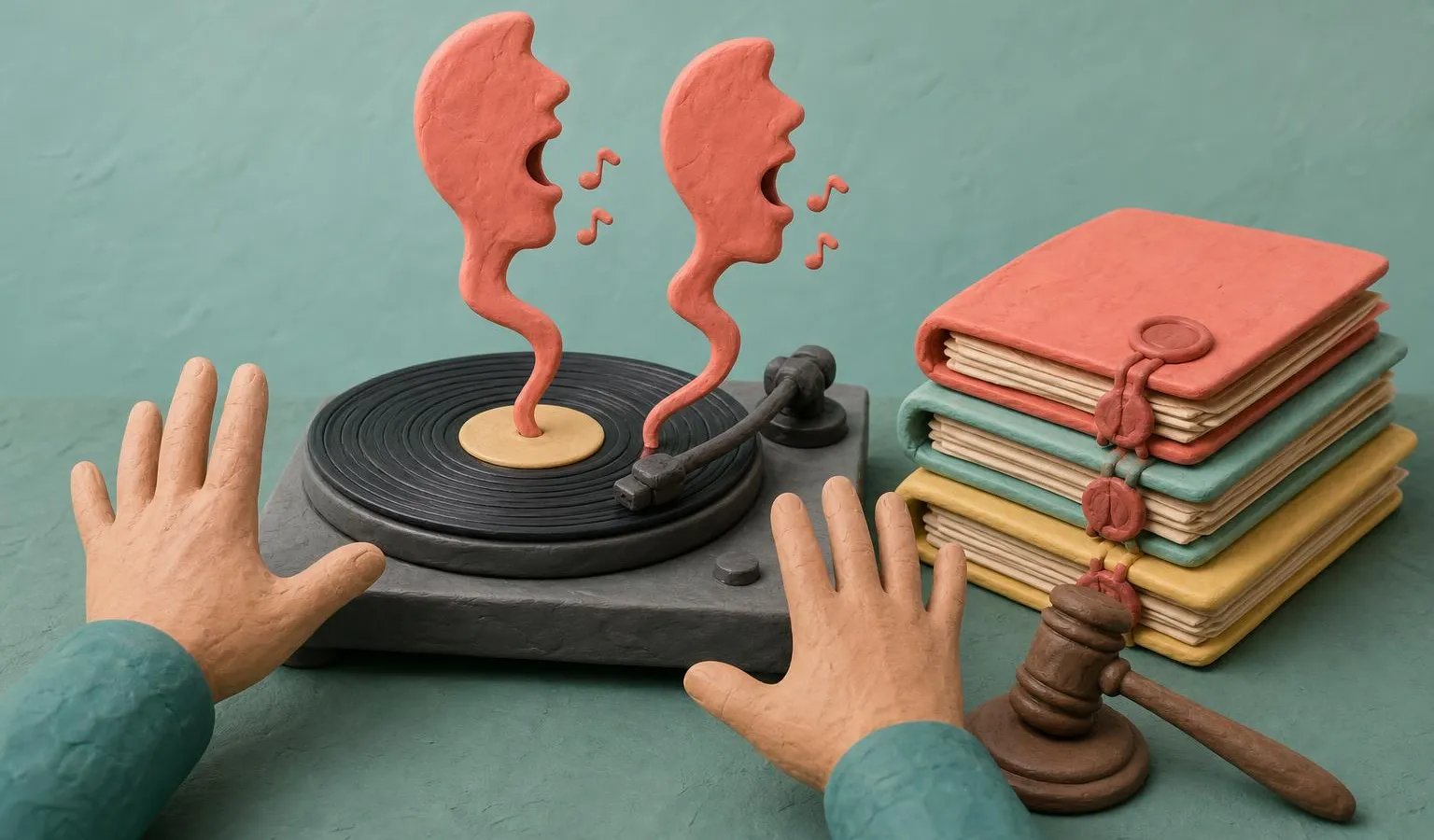
Suno is facing two more lawsuits over AI-generated music that allegedly imitates major artists, according to The Verge. Rights holders tied to Elvis Presley and the publisher of some of Eminem’s biggest records are suing the AI music company, raising fresh questions for creators who use generative music tools in commercial or public projects.
The complaints matter because they focus not only on copyrighted songs, but on alleged imitation of an artist’s identity, voice, lyrics and style. For marketers, freelancers and small creators, the cases are another warning that “make it sound like” prompting can sit in a legal gray area even when a tool makes the track from scratch.
What the Presley and Eminem complaints allege
The Verge reports that a group of Presley music rights holders and the publisher behind some major Eminem records have filed separate lawsuits against Suno. The suits claim Suno illegally produces music and lyrics that resemble those artists.
In the Presley case, the lawyers point to Tennessee’s Ensuring Likeness Voice and Image Security Act, known as the ELVIS Act. According to the complaint described by The Verge, that law makes it unlawful for an AI company to clone a singer’s voice.
The Presley rights holders’ lawyers argue that Suno has built artist identities into its system and is using them commercially. They also accuse the company of copying the labor and creativity that artists develop over long careers.
The Verge says the cases resemble a September lawsuit filed by Jason Isbell and others. That earlier complaint also alleged Suno created imitations of the plaintiffs, but did not directly claim copyright infringement.
Suno says it blocks artist-name prompts
Suno spokesperson Cat McCormack told The Verge that the company is meant to help people make new music, not to profit from a person’s name or likeness. McCormack said Suno prohibits unauthorized use of an artist’s work.
According to Suno’s statement to The Verge, the company does not allow prompts that name specific artists or songs. It also says it works with outside providers to screen uploaded audio and lyrics for possible misuse, and that it is continuing to add safeguards for both artists and users.
That response is important for users because it shows where Suno is drawing the line publicly: original music is the stated goal, while prompts or uploads that target a specific artist or song are the kind of use the company says it is trying to prevent.
For creators, that means the safer workflow is not just avoiding an artist’s name in the prompt. The broader issue raised by the lawsuits is whether an output can be seen as trading on a recognizable voice, identity or lyric style. If a generated track is intended for an ad, podcast, YouTube intro, client campaign or product launch, the reputational risk may matter even before any court decides the legal questions.
Why this matters for AI music users
Suno is already facing lawsuits from Sony, UMG, Jason Isbell, Reservoir Media and others, according to The Verge. The new Presley and Eminem-related complaints add to that wider legal pressure around AI music systems and famous artists.
For Emonarc readers, the immediate takeaway is practical: treat celebrity-style AI music as high-risk content. If a client asks for a track “like” a famous singer, rapper or band, that request can create problems even if the generated song has new words and a new melody.
A cautious checklist for AI music projects now looks like this:
- Avoid naming specific artists or songs in prompts.
- Do not upload copyrighted lyrics or audio unless you have the rights.
- Review outputs for recognizable vocal likenesses or signature phrasing.
- Keep records of prompts and edits for client work.
- Use human review before publishing AI music in commercial settings.
This is similar to the way other AI sectors are now dealing with source material and consent. Recent disputes over AI scraping and data use have pushed platforms toward clearer opt-out and permission systems, as seen in coverage of a shared AI scraping opt-out backed by major AI companies. Music may be moving toward its own version of that debate, centered on voice, likeness and song identity.
What to watch next
The key question is how courts treat AI outputs that evoke a famous artist without necessarily copying a particular recording. The Presley complaint’s reliance on the ELVIS Act puts voice cloning and likeness at the center of the fight, while the Eminem publisher suit adds pressure around lyrics and musical identity.
The Verge’s report does not say how the courts will rule, and Suno denies that it exists to exploit names or likenesses. But the growing list of lawsuits means creators should assume the rules for AI music are still unsettled.
For now, the safest use of AI music tools is for genuinely original briefs: mood, tempo, instrumentation, genre and scene-setting, rather than references to living or deceased stars. That may be less convenient than asking for a famous soundalike, but it is more aligned with the guardrails Suno says it is trying to enforce — and less likely to put a small business or freelancer in the middle of a rights dispute.
Frequently asked questions
Who is suing Suno in the new cases?
According to The Verge, a group of Elvis Presley music rights holders and the publisher of some of Eminem’s biggest records are suing Suno.
What law is cited in the Presley-related lawsuit?
The Presley rights holders cite Tennessee’s Ensuring Likeness Voice and Image Security Act, or ELVIS Act, which The Verge says makes it illegal for an AI company to clone a singer’s voice.
How did Suno respond to the allegations?
Suno told The Verge that it helps people create original music, prohibits unauthorized use of an artist’s work, blocks prompts for specific artists and songs, and screens uploaded audio and lyrics for potential misuse.