Apple opens Siri AI actions to third-party apps in iOS 27.3
Developers can now build Siri AI support into third-party apps, giving the assistant more context and more ways to complete tasks.
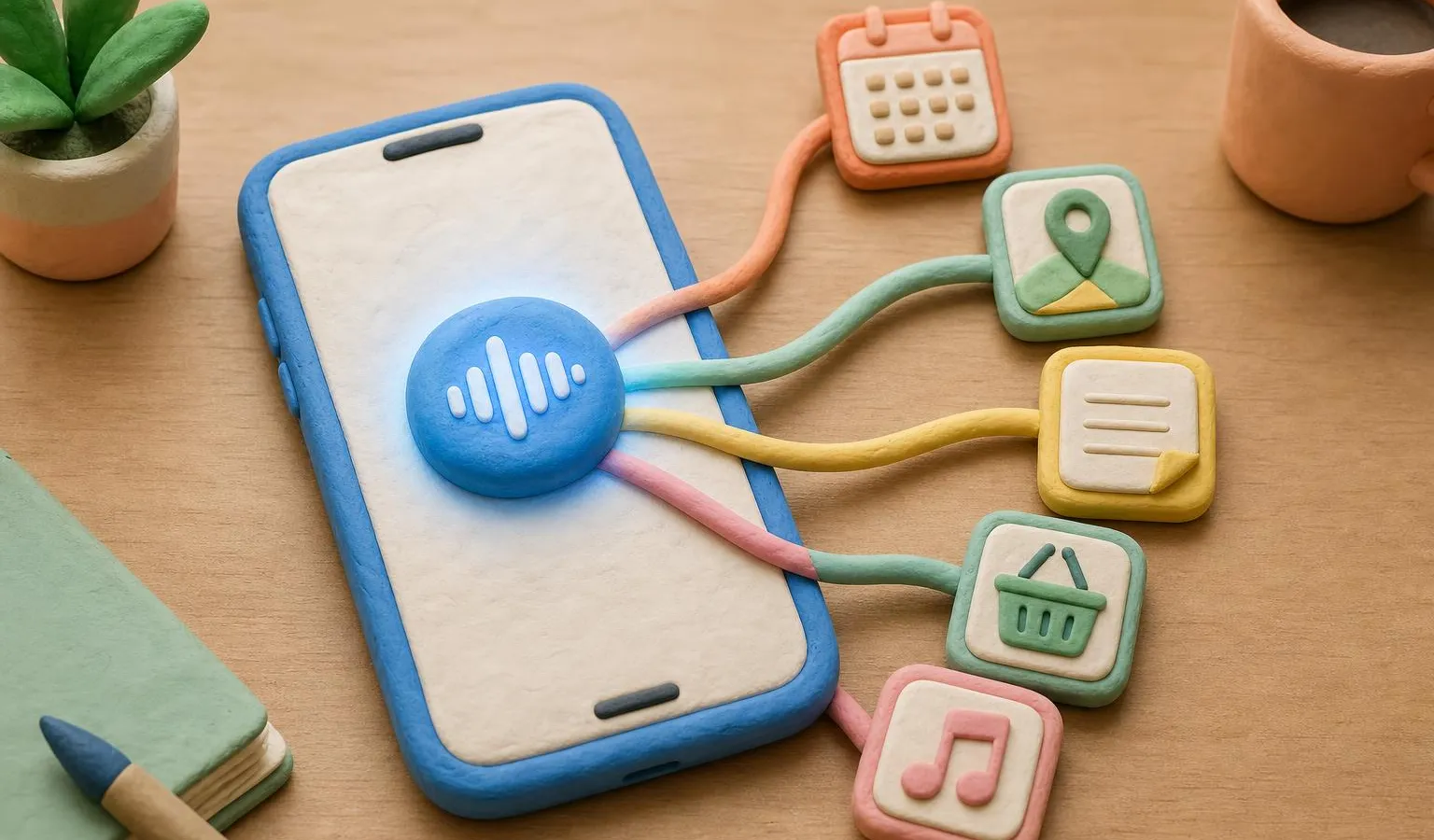
Apple is expanding Siri AI beyond its own software and into third-party apps. As part of the iOS 27.3 update rolling out on Tuesday, the company says developers can now connect Siri AI’s newer capabilities to “all apps,” a shift that could make voice control more useful for everyday work on the iPhone.
For creators, marketers, freelancers and small businesses, the significance is simple: Siri AI may become less of a standalone assistant and more of a way to act inside the apps already on screen. The change is arriving through a Developer Preview, so the practical impact will depend on how quickly app makers adopt it.
What Apple is giving developers
According to Apple, third-party developers can now integrate Siri AI features that use a person’s context, understand natural language prompts and respond to what is visible on screen. That combination matters because many assistant workflows fail when the user has to explain too much or name every app and command exactly.
The update also introduces what Apple calls “app skills.” These are developer-created actions that can bundle multiple steps into one request. In practice, that means an app could expose a more complete workflow to Siri AI rather than limiting the assistant to a single narrow command.
Apple’s developer documentation says users will not always need to say the app’s name. That applies when the app is in the foreground, when there is an active Live Activity, or when the user is already discussing the app with Siri AI.
Apple gives a ride-hailing example: a user could request a ride, follow progress through the app’s Live Activity, and then ask Siri AI to change the pickup address without naming the app again. The Verge notes, citing 9to5Mac, that Apple had previously opened a smaller set of Siri AI features to third-party developers.
Why this matters for productivity apps
The most important change is not just that Siri AI can answer questions about more apps. It is that Apple is trying to let the assistant complete actions across more app contexts.
For a solo operator or small team, that could reduce some routine phone friction: checking information, changing details, filing items or moving through app tasks without tapping through every screen. The source does not say which third-party apps will support the new system first, so businesses should treat this as a developer-side opening rather than an immediate guarantee in their favorite tools.
Still, the direction is clear. Apple is putting Siri AI closer to the automation layer of the phone. That overlaps with the broader interest in AI agents, but Apple’s version is tied to app state, on-screen awareness and user context rather than a separate chatbot window.
For readers tracking Apple’s recent assistant work, this follows a wider pattern of adding more memory and app control around Siri, covered in our earlier report on Apple 27.2 updates adding Siri memory and tighter app access controls.
Apple’s own apps are getting the same treatment
Apple is not limiting the expanded Siri AI capabilities to outside developers. The company says it is also bringing them to its own apps, including Calendar, Files, Finder, Journal, Mail, Maps, Messages, Music, Notes, Photos, Preview, Reminders, Safari, Shortcuts and Weather.
Apple’s examples show the kind of context-based task it has in mind. The company says users could ask Siri AI to find a coffee shop they visited last week or archive files that have not been opened in more than a year.
That matters because Apple’s built-in apps are where many iPhone and Mac users already keep messages, notes, photos, reminders and files. If Siri AI can act across those surfaces with less manual navigation, it becomes more useful for administrative tasks: finding something, cleaning up old material, or acting on information already stored on the device.
Apple also says users can ask Siri AI what it can do inside each app. That detail could be important for adoption, because app-specific AI actions are often hard to discover unless the interface makes them visible.
What to watch next
The next question is developer support. Apple can provide the hooks, but the usefulness of Siri AI in third-party apps will depend on how many developers build app skills and how thoughtfully they design them.
For app makers, the opportunity is to turn common multi-step flows into assistant-ready actions. For users, the main benefit will come when Siri AI can understand the active app context and perform a task without requiring a rigid command structure.
There are still unknowns. The source does not name launch partners, list supported third-party apps, or give a consumer rollout timeline beyond the iOS 27.3 update arriving as a Developer Preview. It also does not describe pricing or device requirements.
For now, the update is best understood as Apple opening the door: Siri AI is being positioned to work inside more apps, with more context, and with fewer explicit instructions from the user.
Frequently asked questions
What did Apple announce for Siri AI in iOS 27.3?
Apple said developers can integrate Siri AI’s newer features into third-party apps, letting the assistant use personal context, natural language prompts and on-screen awareness.
What are Siri AI app skills?
Apple describes app skills as developer-created actions that can combine several tasks into a single Siri AI action.
Will Siri AI work with Apple’s own apps too?
Yes. Apple says expanded Siri AI capabilities are coming to apps such as Calendar, Files, Mail, Maps, Messages, Notes, Photos, Reminders, Safari, Shortcuts and Weather.