Anthropic offers free AI security scans for open-source projects
OSS Scanner will generate periodic vulnerability reports for opted-in projects, but Anthropic says the findings will not be human-reviewed.
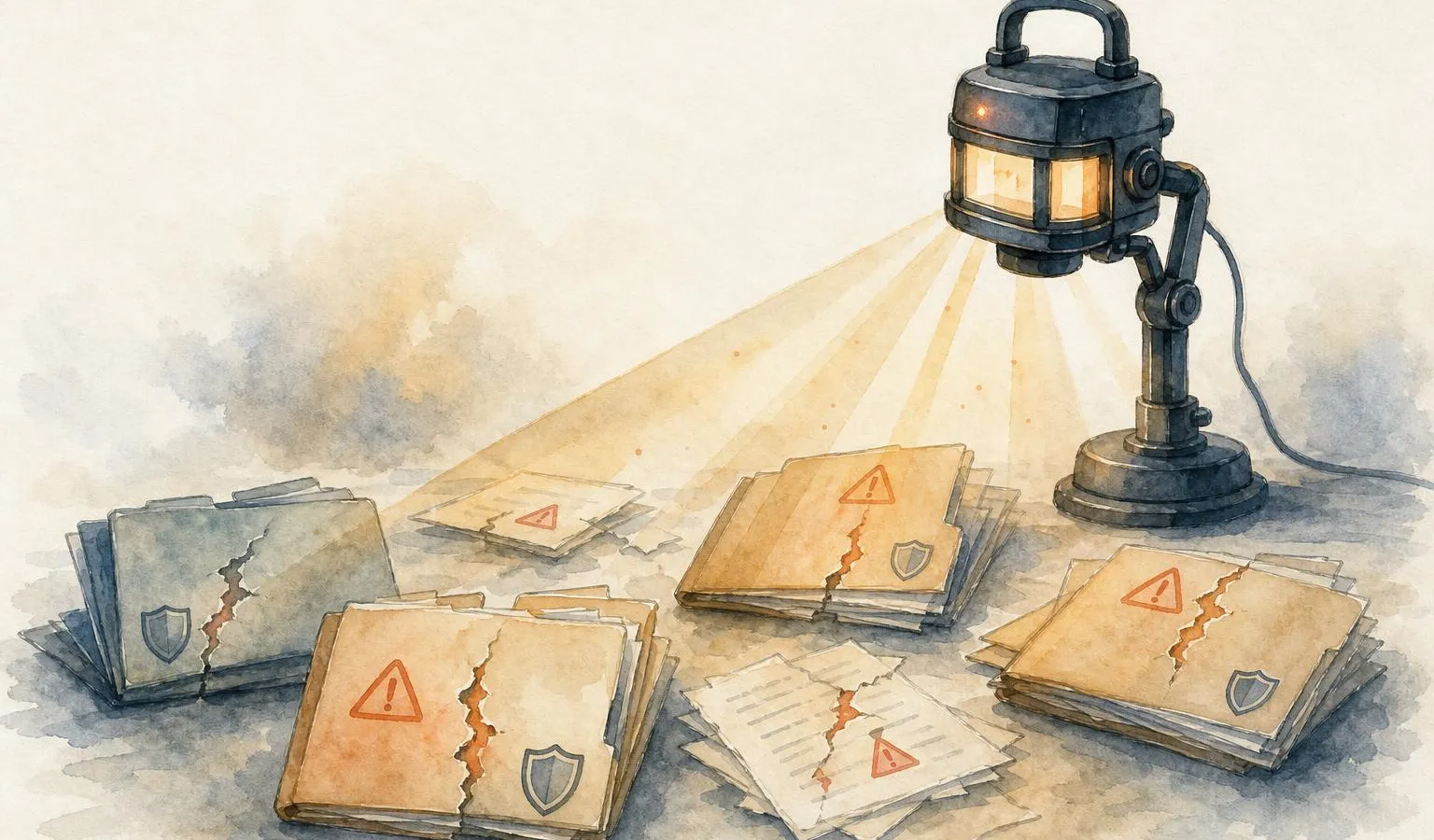
Anthropic is launching OSS Scanner, a free service that will run periodic AI security scans for open-source projects that choose to participate, according to The Verge. The move matters because maintainers may get earlier warnings about possible vulnerabilities, but Anthropic is also making clear that the reports are generated by models rather than reviewed by human security analysts.
The company says opted-in projects will receive vulnerability reports from its “strongest models,” including Claude Mythos. For open-source teams with limited time, that could make AI a standing second set of eyes — useful, but not a substitute for triage.
What OSS Scanner will do
OSS Scanner is aimed at open-source software projects that want help finding potential security issues. Anthropic says participating projects will receive periodic scans at no cost.
The key promise is frequency and speed. Because the reports are generated by AI models, Anthropic says the service can scan more often and produce results faster than a process that requires human review at every step.
Anthropic says the reports will come from its strongest models, including Claude Mythos. That makes the service part of the broader Claude ecosystem, even though The Verge’s report focuses specifically on OSS Scanner rather than a general-purpose coding assistant.
The company’s framing is defensive: give open-source projects more visibility into possible flaws before they become larger problems. For maintainers, the practical value will depend on whether the reports are specific enough to investigate and whether they arrive at a pace the project can handle.
The important caveat: no human review
Anthropic is being direct about a major limitation. The Verge reports that OSS Scanner’s outputs will be fully model-generated, with no human review or triage before maintainers see them.
That means projects should treat each report as a lead, not a confirmed vulnerability. Anthropic says reports could be wrong or invalid, which is an important warning for maintainers already balancing bug fixes, feature work and community support.
For small teams, this creates a workflow question: who reviews the incoming reports, how are they prioritized, and what happens if a model flags something that turns out not to be exploitable? The free price removes one barrier, but it does not remove the need for judgment.
A sensible approach for maintainers may be to route OSS Scanner findings into an existing issue or security review process, label them clearly as AI-generated, and require human confirmation before public disclosure or major code changes. The source report does not describe any built-in workflow features, so teams should not assume those exist.
Why open-source maintainers may care
Open-source projects often depend on volunteer or part-time maintenance. A tool that regularly checks for vulnerabilities could be helpful when a project lacks dedicated security staff.
The Verge notes that AI tools have already helped identify significant open-source security flaws in recent months, including the “Copy Fail” bug that affected nearly every Linux distribution in May. That gives Anthropic a real example of why AI-assisted bug hunting is attracting attention.
But the same trend has a downside. The Verge also reports that some open-source projects are struggling with a flood of AI-generated bug reports, including Linus Torvalds and Google. That context is essential: more reports do not automatically mean more security if maintainers cannot separate useful findings from noise.
For creators, freelancers and small businesses that rely on open-source packages, the launch is worth watching even if they do not maintain projects themselves. If widely adopted, services like OSS Scanner could help surface issues earlier in the software supply chain. But if they generate too many weak reports, they could also add pressure to the maintainers those businesses depend on.
How it fits into Anthropic’s AI push
OSS Scanner positions Anthropic’s models as security assistants for open-source maintainers, not just chatbots or writing tools. It also shows how model providers are looking for narrower, task-specific uses where AI can run repeatedly and produce structured work for humans to review.
That fits with Anthropic’s broader focus on the Claude family, including recent updates such as Claude Haiku 5.5. In this case, however, the value proposition is not cheaper text generation or a new chat experience; it is automated vulnerability discovery for public software projects.
The open question is how maintainers will respond. Free periodic scans are attractive, especially for under-resourced projects. But Anthropic’s own caveat means the service will be judged not only by how many issues it finds, but by how much review burden it creates.
Frequently asked questions
What is Anthropic OSS Scanner?
OSS Scanner is a new Anthropic service that offers periodic AI security scans and vulnerability reports for open-source projects that opt in.
Is OSS Scanner free for open-source projects?
Yes. Anthropic says opted-in open-source projects will receive scans at no cost.
Are OSS Scanner reports reviewed by humans?
No. Anthropic says the reports are fully model-generated, without human review or triage, so they may be incorrect or invalid.