OpenAI buys Pierre Computer Company to bolster Codex Git workflows
OpenAI says the deal is aimed at making Git work better when developers and AI coding agents collaborate on the same codebase.
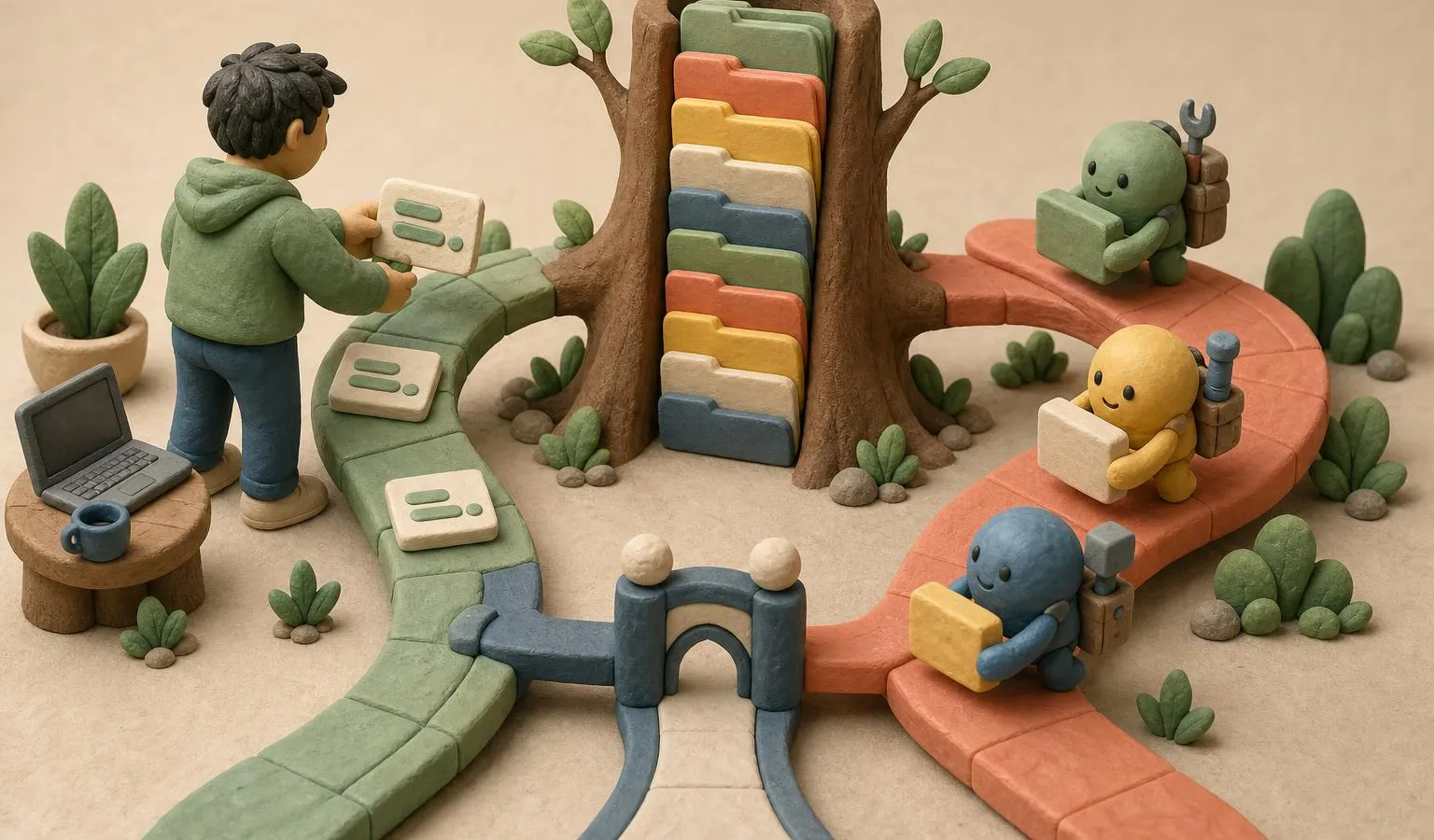
OpenAI is acquiring Pierre Computer Company, Inc., the startup behind Code Storage and several open-source developer tools, according to The Decoder. The deal matters because OpenAI says it is trying to make Git workflows function better when human developers and AI coding agents are working on the same code.
Pierre is not just another coding startup being folded into a larger AI lab. Its libraries already support OpenAI’s coding agent Codex, and the company’s tools focus on core parts of everyday software work: navigating files, viewing code changes, highlighting syntax and tracking project history through Git.
What OpenAI is buying
Pierre Computer Company is the maker of Code Storage, a product that stores code and tracks its history using Git. The startup has also built several open-source tools that are already part of OpenAI’s Codex stack, according to the report.
Those tools include:
- Trees, which is used for fast navigation through project files.
- Diffs, which shows code changes and lets users fix bugs directly in the diff view.
- Highlights, a real-time syntax highlighter that works while a developer types or while an AI agent generates code.
- Code Storage, which manages code storage and history through Git.
OpenAI says Pierre’s open-source projects will remain open source. The acquisition still requires regulatory approval.
Why Git is becoming a focus for coding agents
Git is the standard foundation for tracking changes in software projects, but OpenAI’s stated reason for the acquisition points to a newer problem: AI agents are no longer just suggesting snippets. They can work alongside developers and take on more tasks at the same time.
According to OpenAI, that shift means the tools around Git need to adapt. When multiple agents and humans are editing, reviewing and generating code, the surrounding workflow becomes as important as the model’s ability to write code.
The company already operates Pando, its own version control backend designed for both developers and agents. Pierre’s tools appear to sit closer to the developer experience layer: finding files quickly, understanding diffs, seeing syntax as code is produced and maintaining history through Git.
For small software teams, freelancers and technical founders, the practical takeaway is simple: the next phase of AI coding may be less about the chat box and more about the plumbing around it. If agents are going to complete larger chunks of work, teams need reliable ways to inspect what changed, trace project history and keep human review in the loop.
Where this fits among AI coding tools
The acquisition lands in a market where AI coding assistants are already competing to become part of daily development workflows. Tools such as GitHub Copilot, Cursor and Replit have made AI help more familiar to developers and non-specialists building software.
OpenAI’s move is narrower but strategically important: instead of only focusing on code generation, it is strengthening the infrastructure around Codex. That distinction matters. A coding agent that can write a function is useful; a coding agent that can operate cleanly inside a project’s version history is potentially more dependable for real work.
For readers comparing current coding assistants, our Cursor vs GitHub Copilot guide is a useful reference point. The Pierre deal also sits alongside broader industry attention on how AI coding tools are governed and secured, including enterprise controls around developer access and the risks of coding-tool extensions.
What creators and small teams should watch
OpenAI has not announced pricing, product packaging or a release timeline tied to the acquisition. The deal also has not closed yet, because it still needs regulatory approval.
What is clear from OpenAI’s explanation is the direction of travel. AI coding agents are being designed for more parallel work, and version control is becoming part of the competitive layer. For agencies, freelancers and small businesses that increasingly rely on AI to build internal tools, websites or automation scripts, the most useful improvements may be less visible than a new model release.
Better file navigation, clearer diffs and real-time code highlighting can reduce friction when reviewing AI-generated changes. Code history also matters when a project needs to be maintained after the first version ships.
For now, Pierre’s open-source work staying open source is the key detail for developers outside OpenAI’s ecosystem. The bigger question is how much of Pierre’s approach eventually shows up in Codex-facing workflows, and whether OpenAI can make Git feel more natural when humans and agents are both active contributors.
Frequently asked questions
What company is OpenAI acquiring?
OpenAI is acquiring Pierre Computer Company, Inc., the startup behind Code Storage and several open-source developer tools.
Why does OpenAI say it is buying Pierre?
OpenAI says the acquisition is intended to make Git workflows work better when developers and AI agents write code side by side.
Will Pierre’s open-source projects remain open source?
Yes. According to OpenAI, Pierre’s open-source projects will stay open source.