Google adds cuff-free AI blood pressure trends to Google Health app
Google says its smartwatch AI can flag signs of high blood pressure using existing pulse and motion sensors, but it remains a research aid rather than a diagnosis.
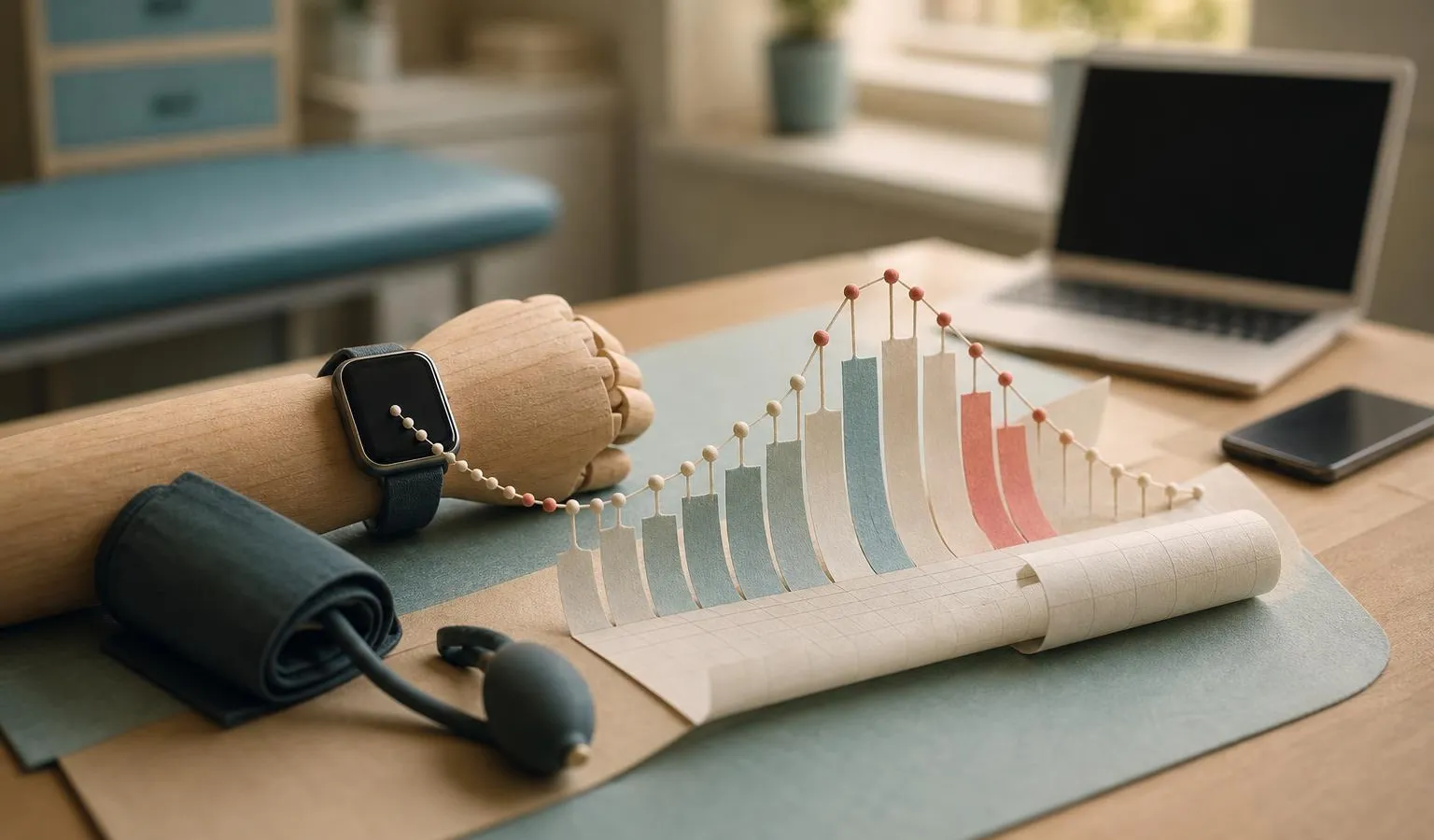
Google says an AI system from Google Research can detect signs of high blood pressure from a regular smartwatch, without needing a blood pressure cuff for calibration. The findings, published in Nature and described by Google, now feed into the blood pressure trends feature in the Google Health app, giving consumers a health signal based on sensors many modern watches already include.
For freelancers, creators and small business owners who rely on wearables to track daily routines, the practical point is not self-diagnosis. It is that AI-powered health nudges are moving into everyday productivity devices, where they may prompt someone to seek a proper check sooner.
How the smartwatch signal works
According to Google, the method uses two sensors already present in modern watches: a pulse sensor and a motion sensor. Instead of requiring a cuff reading to calibrate the system, the AI looks for patterns in smartwatch data that may correlate with high blood pressure.
The research approach used a neural network trained on nearly 500,000 hours of sensor data. Google says the model compared short data segments and learned which ones appeared to come from the same person. That let it pick up recurring pulse and heartbeat patterns without being guided by diagnosis labels during that stage.
The system then averages patterns over several days and estimates the probability that a person has high blood pressure. Google’s SensorFM health model also learns from smartwatch data, according to the source.
That “over several days” part matters. The feature is not described as a single instant reading like a cuff measurement. It is closer to a trends signal, built from repeated passive measurements over time.
What the study found
The Nature-published study included 196 people across five US research sites. In that group, Google’s watch-based method identified 65.8 percent of people with high blood pressure, compared with 55.3 percent for a standard in-office measurement, according to Google.
Those figures are notable because in-office measurements are familiar and widely used, while the Google method relies on a regular smartwatch setup without a cuff calibration step. But the company is also careful about the limits: Google says the method is still a research project and does not replace a medical diagnosis.
The intended role is a prompt, not a verdict. Google says the goal is to encourage people to get checked, especially because more than half of people with high blood pressure do not know they have it.
For readers, that distinction is important. A watch-based alert may be useful as a reason to book an appointment or use a validated blood pressure measurement, but the source does not describe it as a replacement for clinical care.
Why this matters for everyday AI devices
Most AI product news focuses on chatbots, coding assistants, image tools or office automation. This announcement points to a different direction: models that interpret low-level sensor data from devices people already wear.
That shift could make health-related AI feel less like a separate app and more like a background layer in daily life. For solo workers and small teams, health interruptions can directly affect schedules, client work and income. A passive warning system, if used cautiously, could become another part of personal workflow management alongside calendars, reminders and sleep tracking.
There are practical reasons to pay attention:
- It does not require a new cuff for calibration, according to Google.
- It uses sensors already built into modern watches.
- It is positioned as a trend and probability signal, not a diagnosis.
- It is already connected to the blood pressure trends feature in the Google Health app, according to the company.
The broader pattern is similar to other AI features moving into consumer devices and operating systems: AI becomes more useful when it is attached to context that users do not have to manually enter. We have seen that same direction in workplace and device AI, including Google’s push to connect Gemini and Search with third-party apps in recent Emonarc coverage, though this health use case is based on smartwatch sensor data rather than documents or app content.
What to watch next
The biggest open question is how people will interpret a probability-based health signal. Google says the feature is meant to nudge users toward getting checked, but any consumer health alert can create confusion if it is treated as a diagnosis.
It will also be important to watch how clearly the Google Health app explains uncertainty. The source does not describe the app interface, warning language or next steps shown to users, so consumers should look for guidance inside the app and from healthcare professionals.
For now, the takeaway is straightforward: Google has moved research on cuff-free smartwatch blood pressure detection into a consumer-facing health feature, while still framing the method as research and not a diagnostic replacement. That makes it useful to know about, but not something to rely on alone.
Frequently asked questions
Does Google’s smartwatch AI need a blood pressure cuff for calibration?
No. According to Google, the system detects signs of high blood pressure using pulse and motion sensors without cuff calibration.
How many people were included in the study?
The study included 196 people across five US research sites.
Does the Google Health feature replace a medical diagnosis?
No. Google says the method is still a research project and does not replace a diagnosis.