ChatGPT adds GIF creation and frame editing with Images 2.6
OpenAI is rolling out GIF generation in ChatGPT, letting users create, adjust, edit and share animations from prompts or uploaded photos.
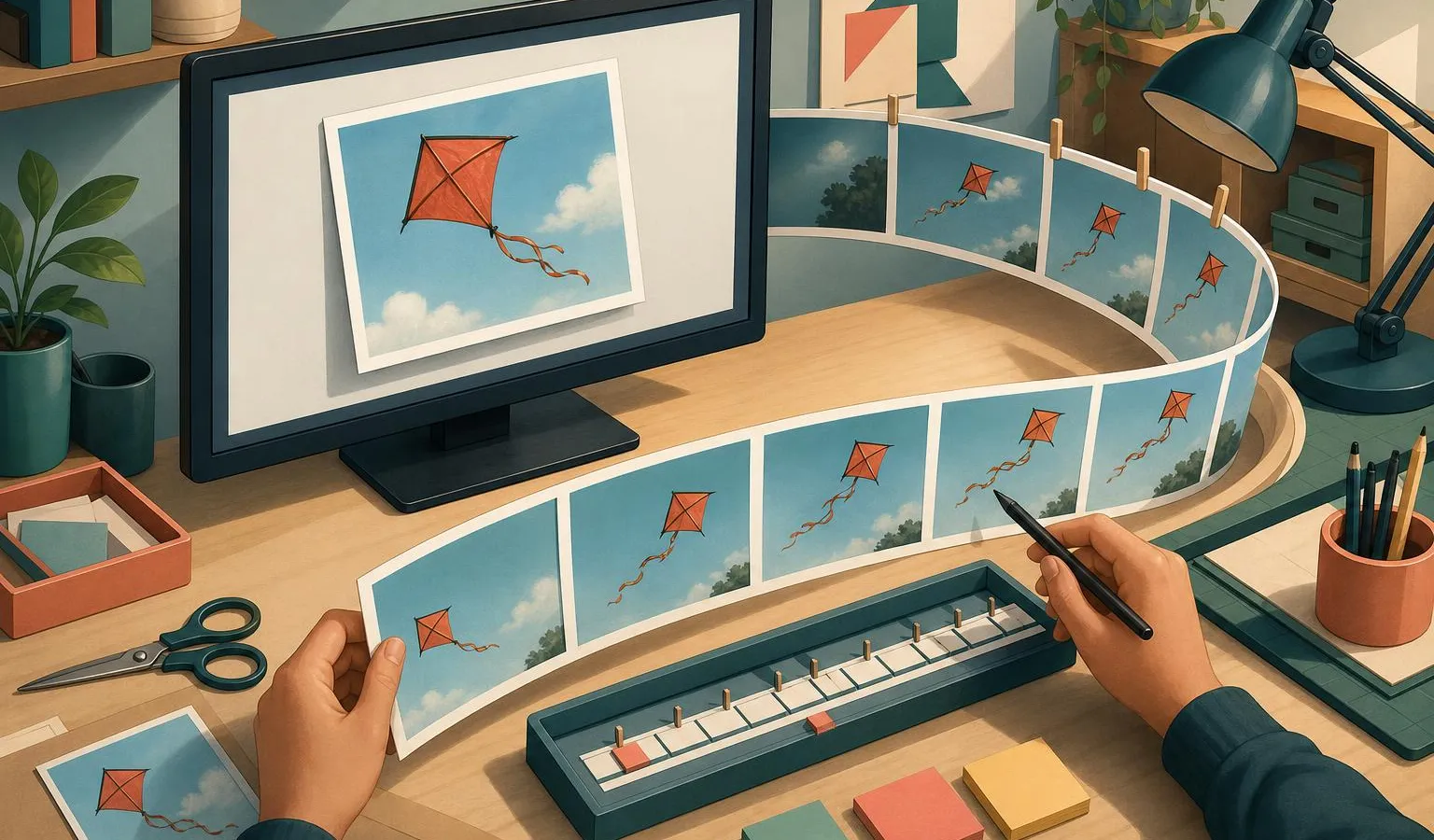
OpenAI is adding native GIF creation to ChatGPT, according to The Verge, giving users a way to generate animated clips from a text prompt or an uploaded photo. The feature arrives with OpenAI’s new Images 2.6 model and matters because it moves a common social and marketing asset into the same chat workflow people already use for image generation.
For creators, marketers and small businesses, the practical shift is simple: a GIF no longer has to start in one app, move through another editor, and then get exported for sharing. ChatGPT can now handle the initial generation and some edits directly inside the conversation.
What ChatGPT can now do with GIFs
ChatGPT can now create a GIF from either a written request or a photo uploaded to the chatbot. OpenAI says users can also change the animation speed, edit individual frames and share the finished GIF with others.
That is a notable change from the previous workflow described by The Verge: before this update, ChatGPT could not produce a GIF natively in a single step. In an example shared by OpenAI, the chatbot responds to a request to make a dancing cat GIF and then gives the user controls to change playback speed and inspect the animation frame by frame.
The frame-level editing is especially important for anyone making content that needs to be polished enough for public use. Even simple GIFs can look off if one frame contains a visual glitch, awkward motion or timing issue. Being able to review the animation one frame at a time should make it easier to catch problems before sharing.
Images 2.6 brings faster generation, OpenAI says
The GIF update is rolling out alongside Images 2.6, OpenAI’s new image model. OpenAI says the update also makes image generation faster inside ChatGPT.
The company also gave a usage marker for its image tools: users now generate more than 4 billion images each week across ChatGPT and OpenAI’s API. According to The Verge, that is up from the 3 billion weekly figure OpenAI reported in September.
For teams already using AI image generators, the volume matters less as a bragging point than as a sign of where these tools are moving. Static image generation is becoming part of a broader creative workspace: prompt, revise, animate, inspect and share. That pattern is also visible across other AI design and image products covered in our AI image generator guide, where the value increasingly comes from iteration rather than a single output.
Who should pay attention
The most obvious audience is social content teams that rely on lightweight animated visuals for posts, replies, newsletters or internal updates. GIFs are often used because they are quick to understand and easy to share. If ChatGPT can produce and adjust them in the same place a team drafts copy or brainstorms campaign ideas, it may reduce some small but frequent production handoffs.
Freelancers may also find it useful for client mockups. A marketer could test a visual gag, a creator could rough out an animated reaction, or a small business could turn a product photo into a simple animated asset. The source does not describe advanced animation controls beyond speed changes and frame editing, so this should be viewed as a fast creation tool rather than a full animation suite.
The feature also fits a wider trend: AI assistants are becoming places where users not only ask for ideas, but modify generated assets without leaving the chat. Google has made similar chat-based editing moves with Gemini-generated files, as we covered in Google Gemini can now edit generated files inside chat. Canva is also pushing further into AI image generation with Canva Craft. OpenAI’s addition is focused here on GIFs, but the direction is the same: fewer jumps between ideation, generation and editing.
Availability and API additions
According to The Verge, Images 2.6 is rolling out to all ChatGPT and Codex users on web, desktop and mobile apps. The source does not mention pricing or plan restrictions for the GIF feature.
OpenAI is also launching GPT-Image-2.6 Flare and GPT-Image-2.6 Sunburst in its API. The company positions those API options around faster and higher-quality image generation, according to The Verge.
For developers and businesses building creative workflows, the API part may matter as much as the in-chat feature. If image generation keeps getting faster in both ChatGPT and the API, more teams may look to automate parts of their visual production process. But for now, the headline user-facing change is straightforward: ChatGPT can make GIFs, let you adjust their speed, edit their frames and share them without leaving the chat.
Frequently asked questions
Can ChatGPT create GIFs now?
Yes. According to The Verge, ChatGPT can now create GIFs from a text prompt or from a photo uploaded to the chatbot.
What GIF editing controls are included?
OpenAI says users can adjust a GIF’s animation speed, edit individual frames and share the GIF with others.
Where is Images 2.6 rolling out?
The Verge reports that Images 2.6 is rolling out to all ChatGPT and Codex users across web, desktop and mobile apps.