Anthropic tightens Claude Code prompt to curb AI-made game clones
Anthropic says Claude Code on Opus 5.5 has been updated to steer users away from recreating specific games while still supporting original projects.
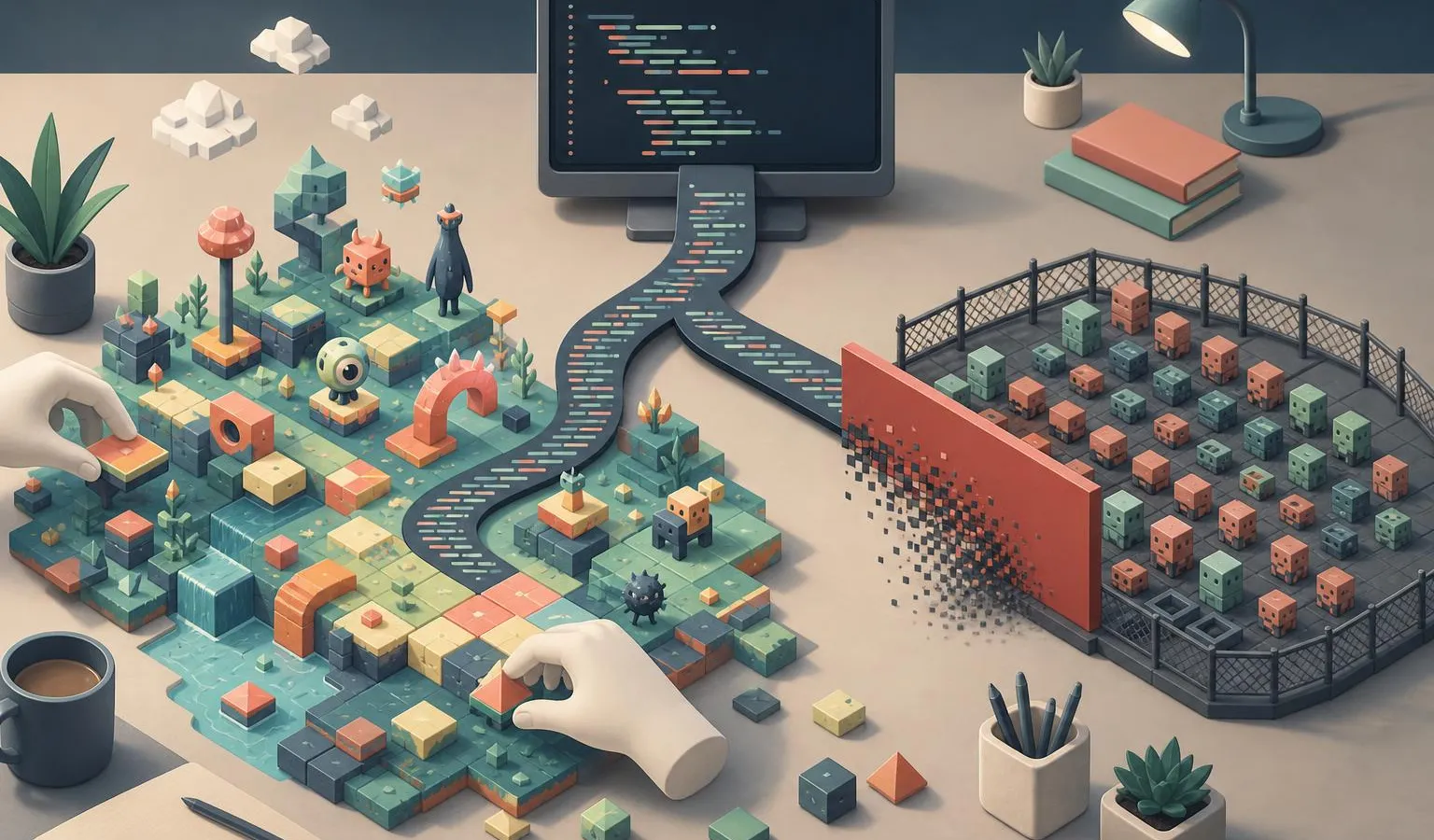
Anthropic has changed Claude Code’s instructions to discourage users from recreating specific video games, according to The Verge. The shift matters because coding agents are increasingly being used around decompilation, recompilation and porting projects, raising new questions about how far AI-assisted development should go.
The company is not shutting down game creation in Claude Code. Instead, Anthropic says it wants to separate original work from attempts to use the tool for direct clones of existing titles.
What Anthropic changed in Claude Code
According to The Verge, Anthropic updated the system prompt for Claude Code on Opus 5.5 after a user on X posted a screenshot that allegedly showed new language about game development. The reported wording told the tool to support original games, genre-based games and projects based on a user’s own designs and assets, while refusing to build recreations of specific existing games.
Anthropic’s Addy Osmani did not confirm the exact text from the screenshot, The Verge reported. But he said the company added two sentences to Claude Code’s prompt on Opus 5.5 to guide it away from recreating someone else’s specific game, because using Claude to infringe intellectual property is against Anthropic’s usage policy.
For creators and developers using Claude, the practical point is narrower than a general ban on game work: Anthropic is drawing a line around specific existing games, not around game development as a category.
What still appears to be allowed
Osmani said original games, genre games and projects built from a user’s own designs and assets are intended to keep working. That distinction is important for small studios, solo developers and hobbyists who use coding assistants to prototype mechanics, build levels, generate boilerplate or troubleshoot code.
In practical terms, the safer framing is to describe what you own or what you want to make, rather than asking the model to reproduce a named title. Based on the company’s comments, prompts should lean on your own materials and broad genre language.
A useful split for teams might look like this:
- Safer: asking for help with an original platformer, puzzle game or role-playing mechanic based on your own assets.
- Riskier: asking Claude Code to recreate a specific commercial game, even if you rename it.
- Still unclear: edge cases where a user believes the project is theirs but Claude refuses anyway.
Osmani said Anthropic will continue to iterate as it tries to “strike the right balance,” and invited users to send examples if Claude rejects something they own.
Why this matters for AI-assisted coding
The change lands in a moment when retro gaming is seeing a surge of AI-made decompilations, recompilations and ports, according to The Verge. These projects can sit in a complicated space: some are technical preservation efforts, some are fan experiments, and some can resemble direct remakes of protected works.
For freelancers and small businesses, the lesson is not just about games. It shows how coding agents may increasingly enforce product-level boundaries around intellectual property, acceptable use and user intent. A coding assistant may be able to generate a lot of working code, but the service provider can still shape what kinds of projects it will help complete.
That has workflow consequences. Teams may need to keep clearer records of their own designs, assets and source materials when using AI tools. If a model refuses a request, a more specific prompt explaining original ownership may matter. The Verge’s report also suggests that system prompts, not only user-facing policy pages, are becoming a key enforcement layer for AI coding products.
For related Claude Code coverage, see Emonarc’s report on a malicious Claude Code extension hitting Cursor’s marketplace.
What remains unanswered
The Verge said it asked Anthropic whether it has updated, or plans to update, other Claude system prompts as well. The source does not include a response from Anthropic on that point.
That leaves an important question for developers who use Claude outside this exact setup. The confirmed company comment is limited to Claude Code on Opus 5.5. It is not clear from the report whether similar steering is present in other Claude experiences, models or workflows.
For now, the message from Anthropic is clear enough for game makers: Claude Code is still meant to help build games, but not direct recreations of someone else’s specific game.
Frequently asked questions
What did Anthropic change in Claude Code?
According to Anthropic’s Addy Osmani, the company added two sentences to Claude Code’s prompt on Opus 5.5 to steer it away from recreating someone else’s specific game.
Can users still make games with Claude Code?
Yes. Osmani said original games, genre games and games built from a user’s own designs and assets are meant to keep working.
Did Anthropic confirm the exact prompt language posted on X?
No. The Verge reported that Osmani did not confirm the exact language in the screenshot, but he did confirm that the Claude Code prompt on Opus 5.5 was updated.